
Key takeaways
- Shopify says 40% of customers return. Measured as 90-day repeat purchase, only 20% do.
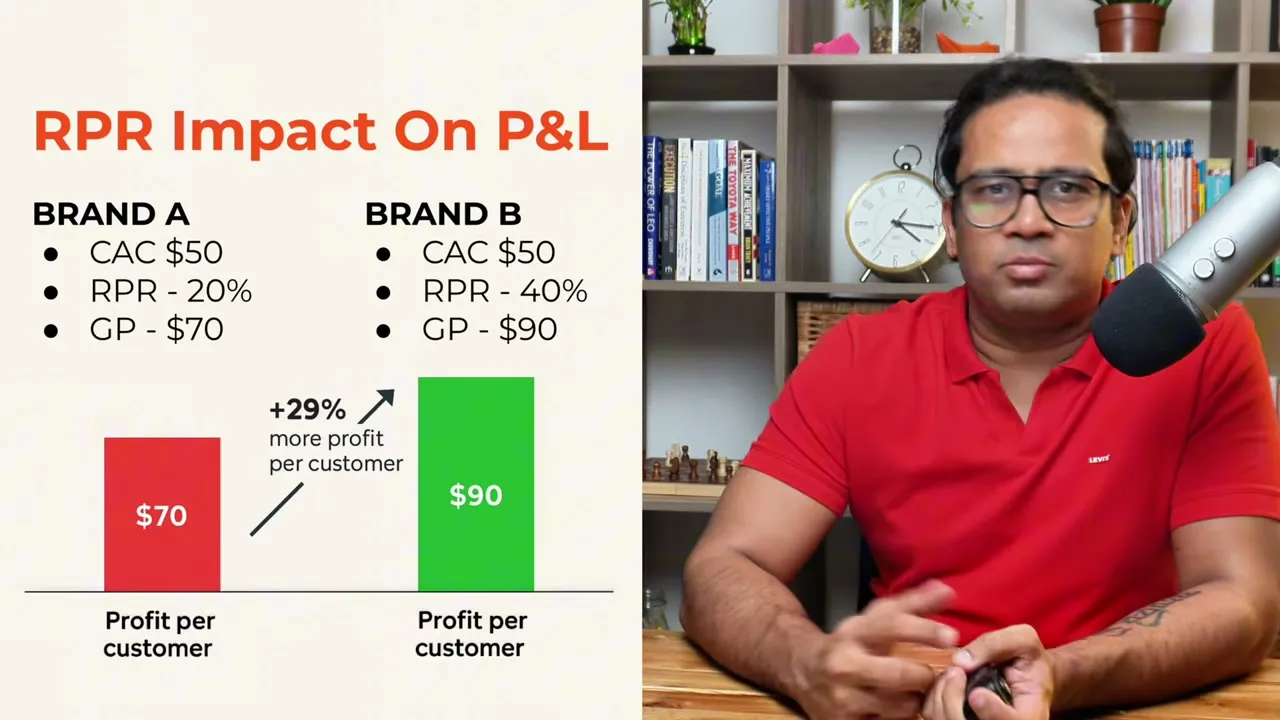
- Lifting 90-day repeat from 20% to 40% at a $50 CAC adds 29% more profit per customer.
- Customers who see no value within 21 days rarely reorder, and the top 5% of buyers drive 35% of revenue.
70% of first-time buyers never come back. I have worked with 80+ brands across supplements, skincare and beverages, and the same five mistakes show up again and again.
Brands that stay on the acquisition treadmill spend more on ads each month while profit shrinks. Here are the five mistakes, and how they connect into one repeat purchase flywheel.
Mistake 1: Tracking the wrong repeat metric
Most brands read Shopify’s returning customer rate. Shopify counts anyone who ever bought more than once, with no time limit. A customer who came back after 4 years counts as retained.
That inflates the number, most of all for brands older than two years. The other common pick, customer retention rate, is a subscription metric. It assumes a contract. Most CPG brands have none, because a customer either buys this month or does not.
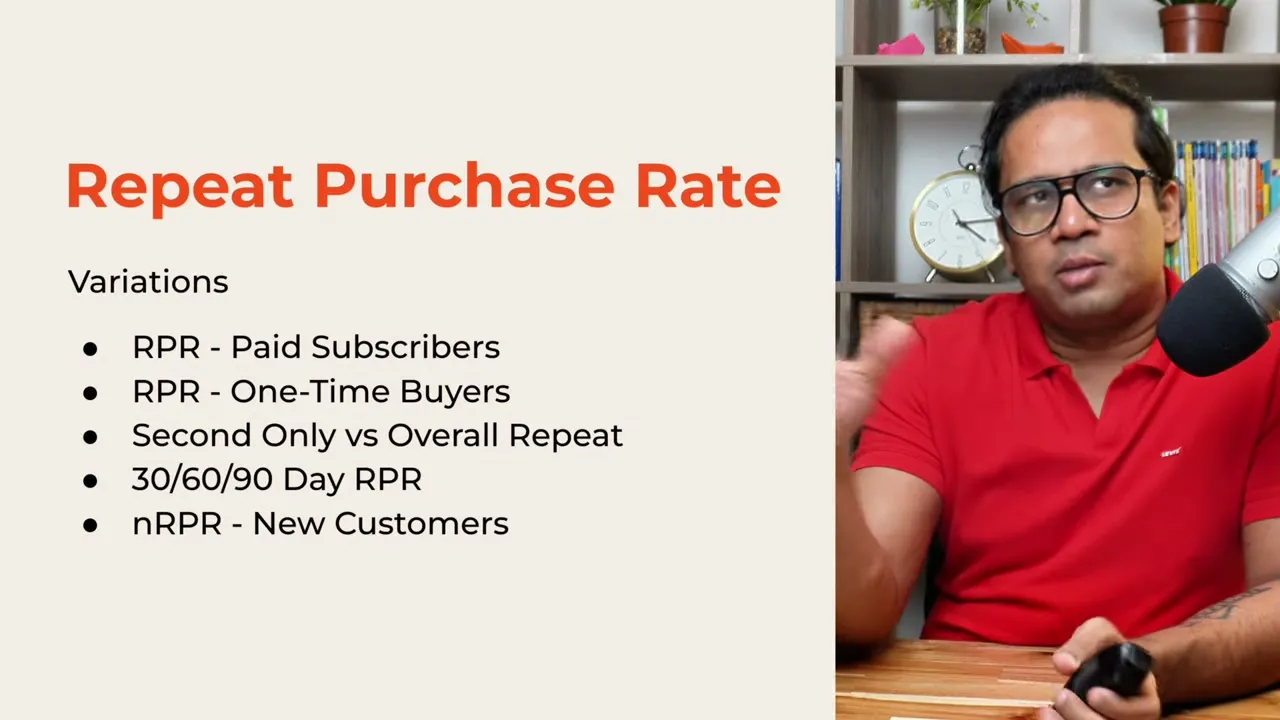
The fix is 90-day repeat purchase rate, measured by cohort. Take everyone who bought for the first time in March and check how many placed a second order within 30, 60 or 90 days. Pick 30 or 90 days based on your product frequency. Anything after 90 days is the cherry, not the cake.
You can also track overall repeat, since some customers place three orders inside 90 days. It will run a little higher than second-order repeat.
What the gap costs
On paper, Shopify says you retain 40% of customers. Measured properly, 20% buy again within 90 days.
Take two brands with the same $50 CAC. Brand A has a 20% 90-day repeat rate and earns about $70 gross profit per customer in that window. Brand B lifts repeat to 40% and earns $90 in the same 90 days.
That is 29% more profit with no change in ad spend, before any third or fourth order. It is also a much faster CAC payback.
Mistake 2: Ignoring the first 21 days after purchase
Most brands chase the sale and go quiet once the order ships. No value realization, no habit, nothing for buyer’s remorse.
Remorse is real. Excitement peaks when the customer places the order, then dips over the next 2 to 3 days while the parcel is in transit. If a customer does not see value within 21 days, they rarely come back.
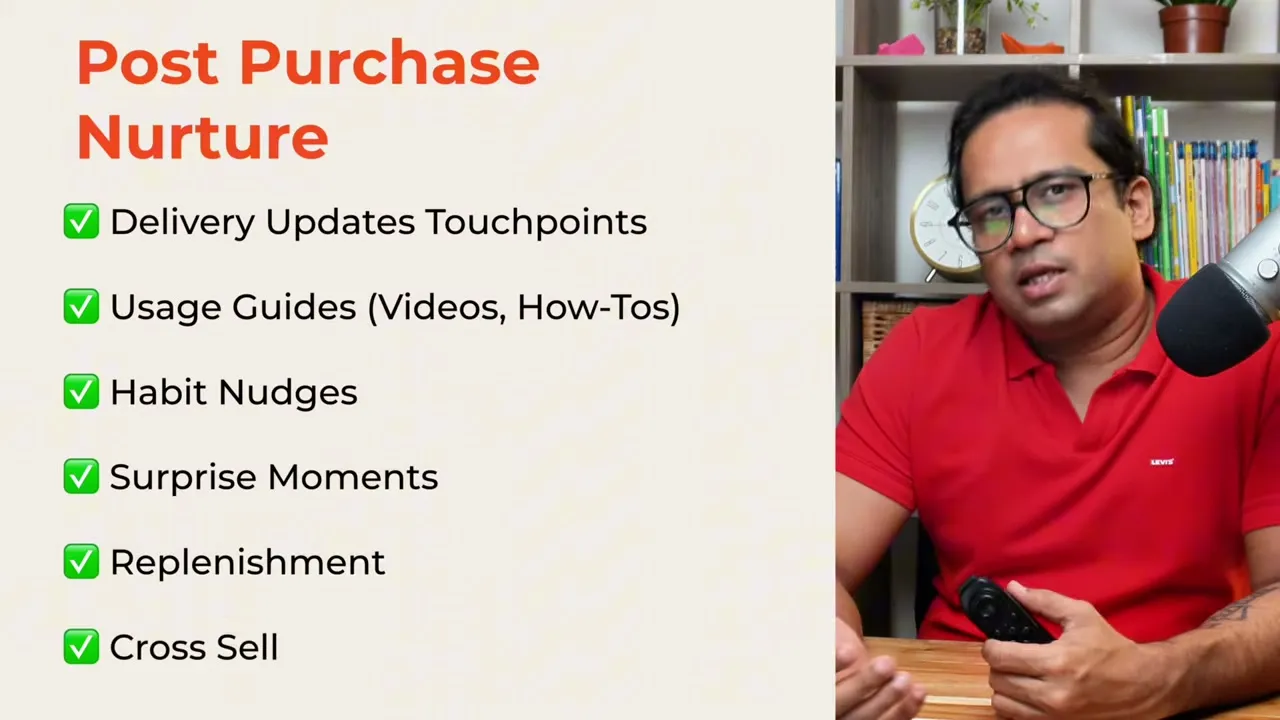
I run the sequence in four steps, in this order:
- Delivery updates that keep the excitement up while the order ships.
- Usage guides and how-to videos once the product arrives.
- Habit nudges, such as asking if they took today’s supplement. A surprise in the box helps.
- Replenishment, only after the first three.
Ask for the reorder too early and you sound needy. You come across as someone who cares about the next sale, not about how they use the product.
Segment this communication into four buckets: first-time buyers, repeat buyers, paid subscribers and loyal customers. Build it around the hero SKU. Generic messages do not land, whether they recommend, teach or ask for a reorder.
Play the long game. If customers see value without a nudge, they come back. A second purchase raises lifetime value roughly 2x to 3x, so the hurdle is that second order inside 90 days.
Mistake 3: Treating all customers the same
The biggest miss is the VIP. Someone who has bought five times gets points and nothing else. No recognition, no perks, no better support or shipping.
The customer knows they have bought five times. When these advocates leave, they are hard to win back. Your top 5% of customers drive 35% of revenue.
Each group needs its own experience:
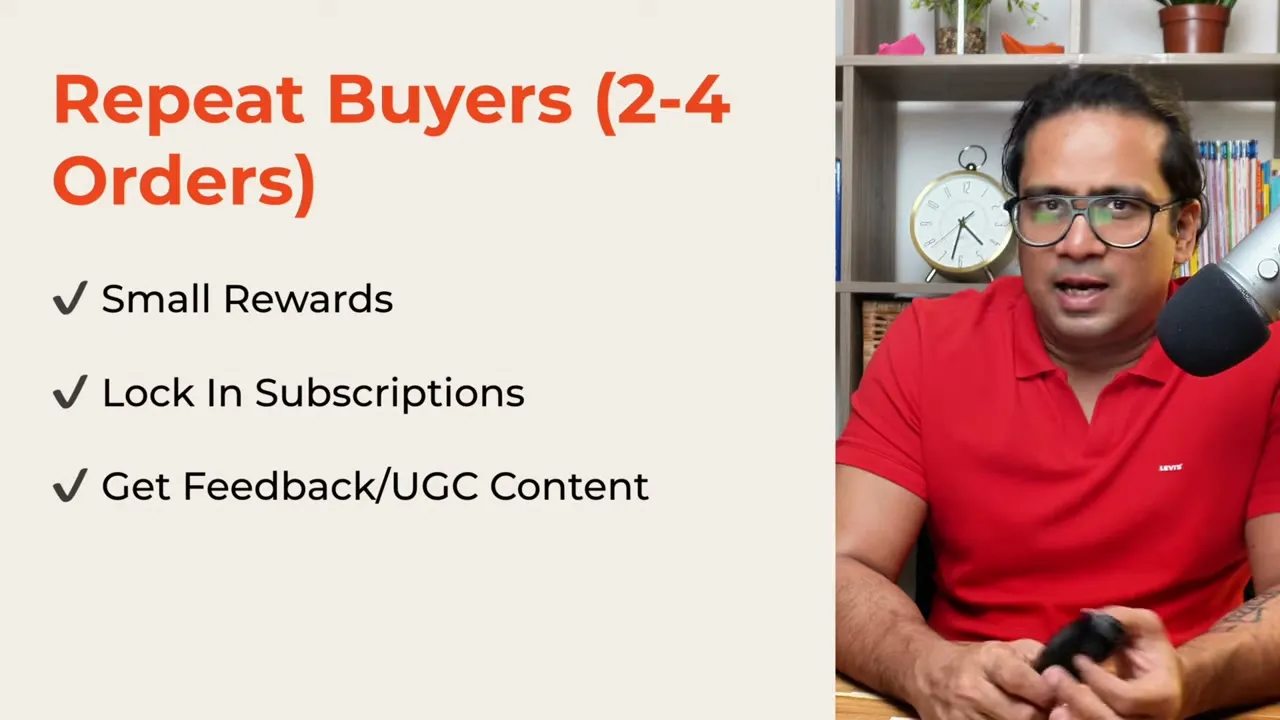
- First-time buyers are still on trial. Your job is to meet the promise you made in the ad. If you miss it, no retention plan works.
- Repeat buyers get small rewards and an invitation to subscribe. Their second-order feedback runs more positive, so ask for reviews and UGC.
- Loyal customers get a community and a moat. Bezos built Prime so loyal customers would not leave for a $5 discount. They also give you your best product and UX research.
Lapsed customers need a fast reach-out. Wait 6 months and they have found a substitute. Address their concern, ask for feedback, and write plain text, one-to-one emails. Regular marketing will not cut it. See how to win back lapsed buyers.
If someone who bought two or five times is leaving, in my experience it is rarely the product. It points to a gap in the retention strategy.
Mistake 4: Not listening to customers
Only 1 in 26 unhappy customers complain. The rest just leave.
Start with a post-purchase survey within 7 days. Excitement is high then, so you learn why they bought, the emotional angle and the problem they want solved. That feeds your marketing.
Then run cohort analysis. Even a 10% repeat rate means customers already repeat something. Find that behavior and amplify it.
Last, answer reviews and feedback fast, positive or negative. A reply within 4 or 5 hours, or the same day, keeps the issue off social media and Google. 96% of unhappy customers can be retained if you fix their issue quickly.
Ask happy customers to post on Google. Give unhappy ones a coupon and work out which channel and SKU the problem came from.
Mistake 5: No centralized retention strategy
This is the most expensive one. The loyalty program, membership, subscription and email and SMS each run on their own. Email does not see loyalty data. Subscription data is not passed on, or is passed and never used.
Brands either do no retention work or install every tactic at once. Customers then get overlapping discounts from separate tools, your P&L takes the loss, and a confused mind always says no. Nobody owns the strategy.
What to build instead
- One customer journey, mapped by customer type, segment and stage. Every brand thinks the checkout journey is standard. Post-purchase differs for each brand.
- One action and one reward per customer. If you are unsure which option is best, five options just freeze the customer. With one, you at least learn what they ignore and can change it.
- Surprise and delight for second to fifth-time buyers, with no warning. People feel they owe you something back.
- Every channel (email, SMS, direct mail, push, on-site) built around the post-purchase customer.
The repeat purchase flywheel
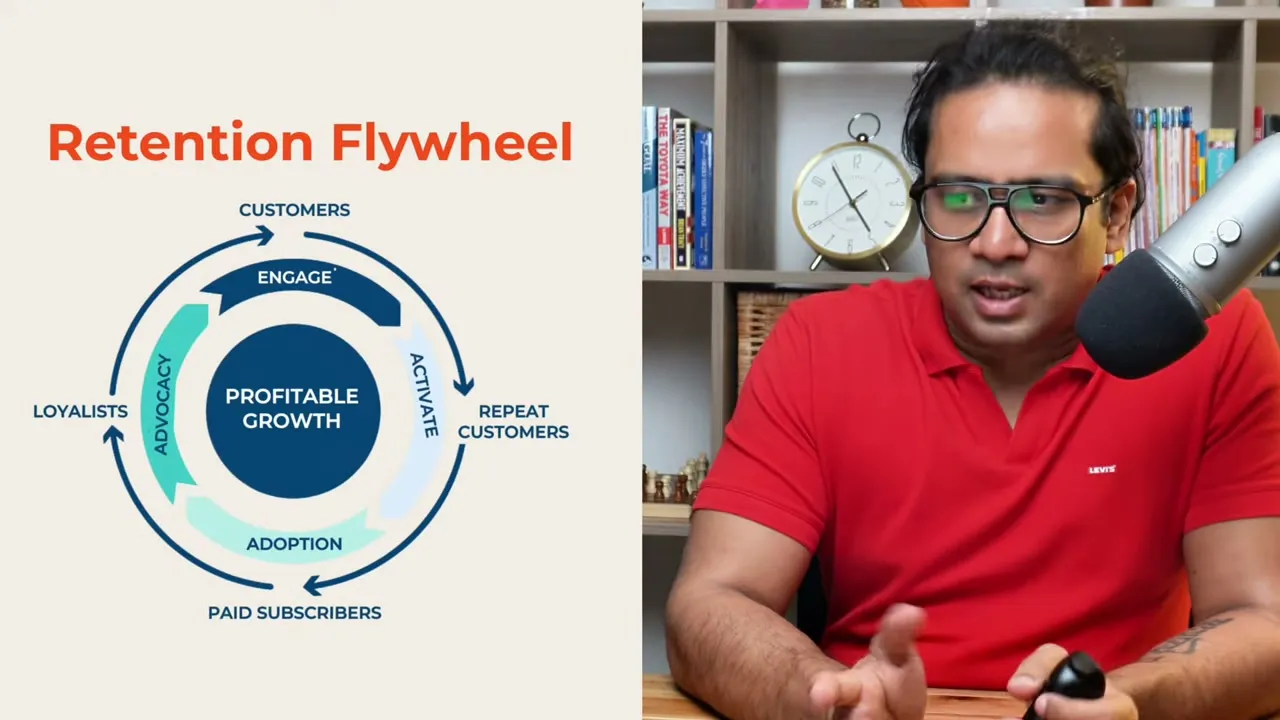
The five fixes connect in a loop: acquire, activate, convert to repeat, adopt the product, move to paid subscriber, become a loyalist, then advocate and bring in the next customer. Expect 6 months to a year before it builds momentum.
In my work with brands, those who focus on retention see about 20% higher profits and roughly 30% lower dependency on paid ads. Some brands I know earn 80% of revenue from repeat customers, so they can bid higher for new ones.
With 40 to 50% of revenue coming from repeat customers, you step off the treadmill of needing a set number of new customers each month.
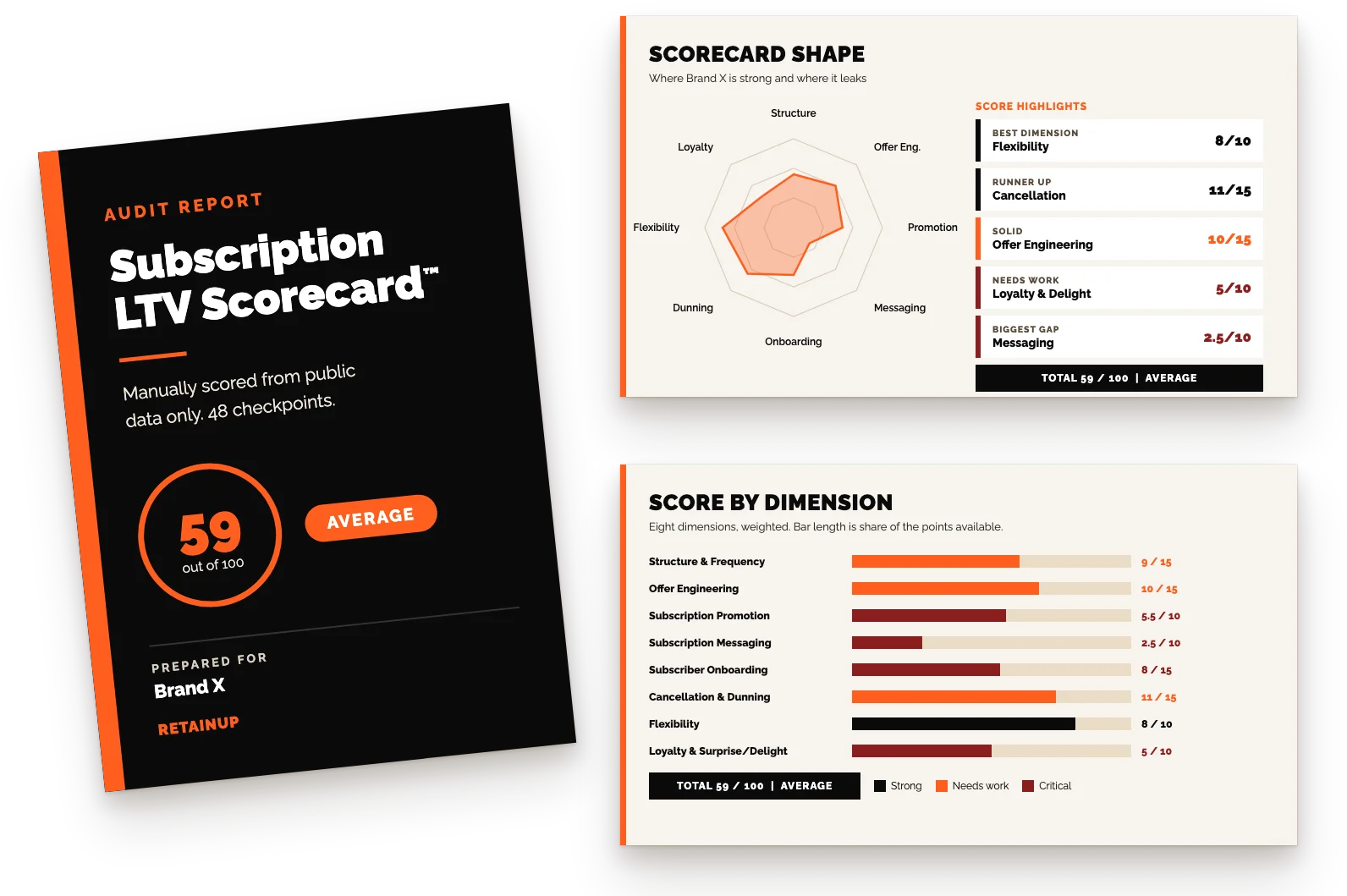
Want to see where your own repeat revenue leaks? Get a free subscription audit and I will score it.