Key takeaways
- There are three subscription models, replenishment, curation and access membership, and a product with a 3-month or shorter buying cycle belongs in replenishment.
- Chewy got 83% of its 2025 revenue from Autoship, and stacks a $79 a year Chewy+ membership on top without confusing anyone.
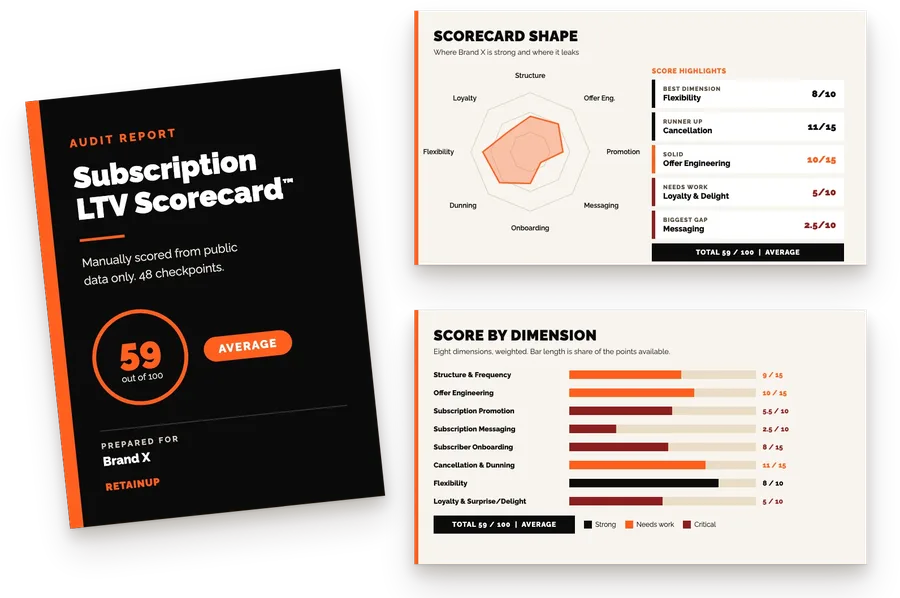
- Costco renews 93% of its memberships, while Savage X Fenty scores 27/80 on our scorecard, with its membership auto-added at checkout.
Every subscription program starts with one call. What is the customer actually signing up for?
There are three answers. The same product, again and again, on a schedule. A box someone else picks for you. Or a paid membership that gets you better prices on everything. Pick wrong and every other decision in the subscription offer gets harder, because the discount, the frequency and the perks all depend on which model you run.

The three subscription models at a glance
Here is how the three compare.
| Model | What the customer gets | Fits when | Examples | Main challenge |
|---|---|---|---|---|
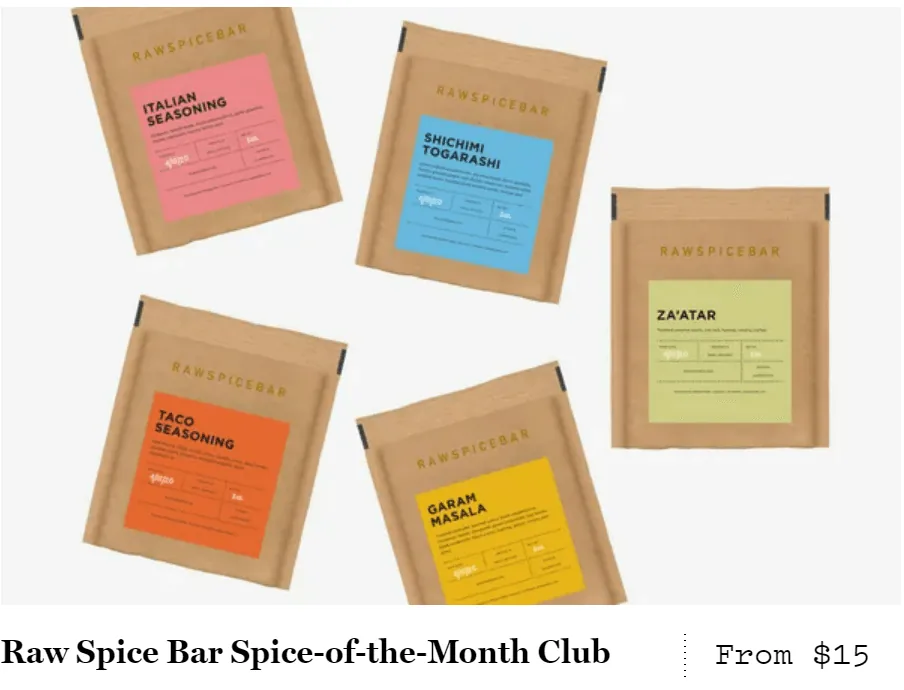
| Replenishment (subscribe and save, autoship) | The same product on a set schedule, usually at a discount | A buying cycle of 3 months or less, and room for a discount | Chewy Autoship, Dollar Shave Club, Bean Box, Raw Spice Bar | Matching frequency to real use |
| Curation (subscription box) | A selection picked for them each month | Something new each month, personalized at scale | Birchbox, IPSY, StitchFix, BeardClub | High churn and operational load |
| Access membership | A recurring fee for better prices and perks across the range | A large catalog bought every 3 months or less | Costco, Chewy+, Savage X Fenty, Jenni Kayne | Keeping the fee worth it every time |

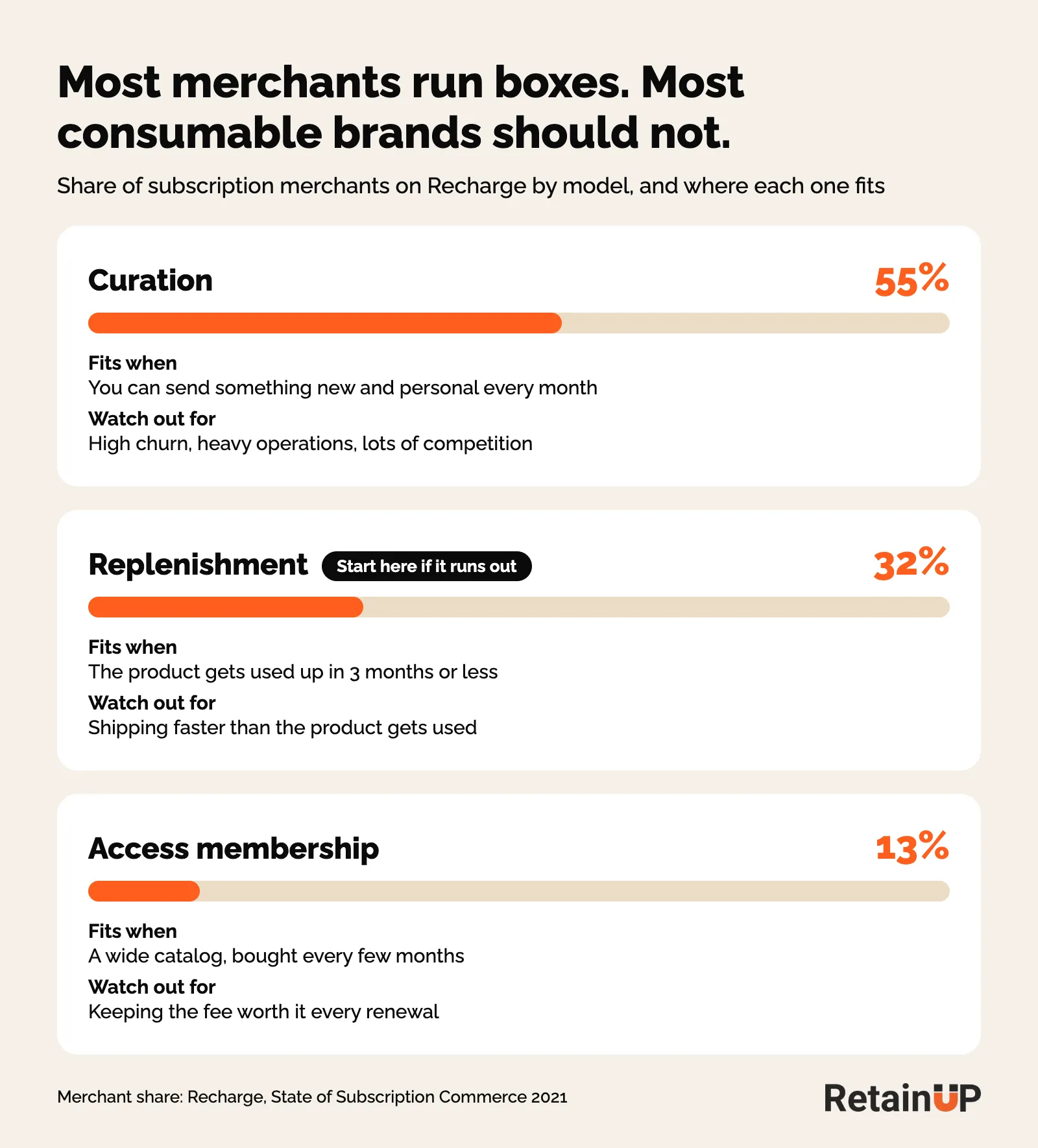
Merchants and buyers do not line up here. In Recharge's 2021 State of Subscription Commerce report, 55% of its subscription merchants ran curation, 32% replenishment and 13% access. That is a 2021 snapshot, and it counts merchants, not revenue. Buyers lean the other way. Subscribe and save is the model most consumers prefer.
Customers come to all three for the same first reason. According to McKinsey and Deloitte, money saved comes first, then convenience, then access to premium offerings. What stops them is different per model, and that research lives in why customers subscribe and why they don't.

Why brands run a subscription business model
Whichever model you pick, the reasons to run one are the same. Subscriptions keep the customer longer, so lifetime value goes up. Revenue comes in on a schedule from customers you already paid to acquire. And known orders make stock planning simpler. Less waste. Less overstock.

So the model decides how much of that you actually get. Each one carries a different cost to run.
Replenishment: subscribe and save for products that run out
Subscribe and save, written Subscribe & Save on Amazon and also called autoship or replenishment, ships the same product on a schedule, usually at a discount. Customers subscribe to what they already reorder. Think razors, toiletries, food, tea, coffee, supplements, pet food.
It is also the most popular model with consumers. Already running a one-time store? Start here.

Why brands pick it
- High conversion rate. The offer is simple: the thing you already buy, cheaper, without reordering.
- High retention rate. The deliveries take care of themselves.
- Less operational complexity. Orders arrive on a schedule, so stock planning gets easier.
When it fits
Two checks. Does the product get used up in 3 months or less, and do you have the margin for a subscription discount that is bigger than the promos you already run? Both yes? Replenishment.
Chewy is the clearest example. Pet food. Nothing exotic. Dog food every 4 weeks, litter every 6, treats every 8. Each product runs on its own schedule, from every 2 weeks to every 24 weeks. Chewy suggests the cycle from bag size and serving count. First Autoship order gets up to 40% off, capped at $20. After that it is 5% on most products and 10% on select premium brands. Chewy scored 66/80 on our subscription scorecard. One of its two gaps: Autoship is not always pre-selected on the product page.
The two calls that decide whether replenishment works are the frequency and the size of the discount. The short version: match the frequency to how fast the product gets used, and pick one discount you can keep everywhere.
Some brands now drop the calendar altogether. Shopify writes about Aerflo, which ships the next refill when the empty cartridge comes back, so the order follows real use. Same idea as matching frequency, taken all the way.
Curation subscriptions: a box picked for the customer
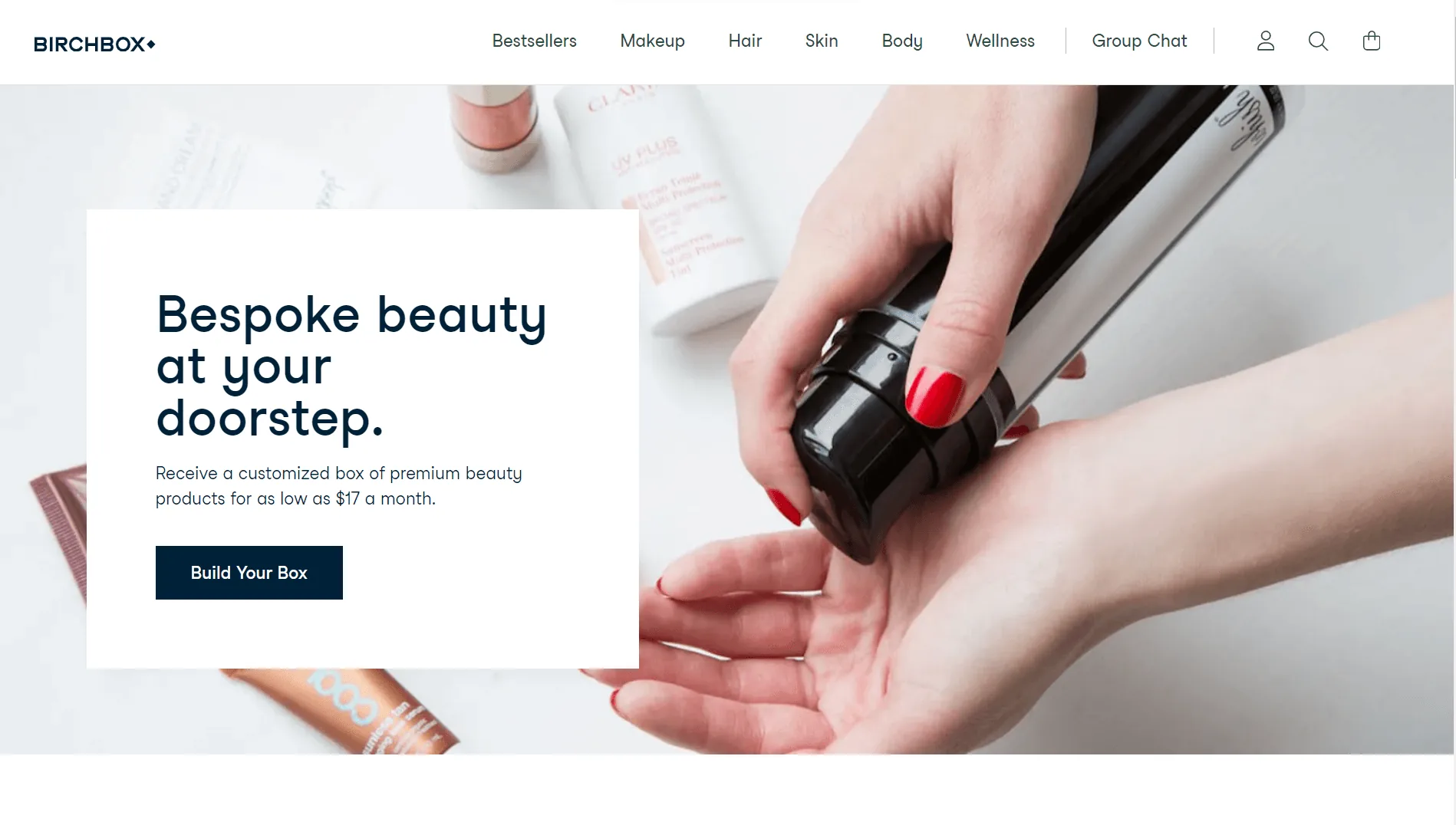
A curated box sends a handpicked set of products on a schedule, and the surprise is the point. Birchbox built this. Beauty and apparel run it most, but it goes well past those. During the pandemic, brands ran boxes for everyday needs.
When done right, curation is highly profitable. On average it carries a higher order value than the other two models. Subscribers pay more to have it picked for them.
And the cost is real. Churn runs high. So does the operational work, and the competition. Good curation takes a close read of each customer's taste, tighter logistics, and a feedback loop after every box.
When it fits
- You can send something new each month.
- You can personalize at scale, usually with a quiz up front.
- The buying cycle is monthly or shorter.

Watch the choice. Odd Bunch, an imperfect produce box, let subscribers pick from 300+ products and people dropped off. A simpler mystery box at one fixed price signed people up within hours, per Shopify. Too much choice and it stops being curation.
How curated boxes are priced
Run three box prices. A low one for budget buyers who still want to try it, a bestseller most people take, and a high one with premium products. Then discount the commitment: standard price month to month, less per box at 3 months, the biggest cut at 6. That is the same logic as prepaid plans in replenishment.

Paid membership: the fourth path
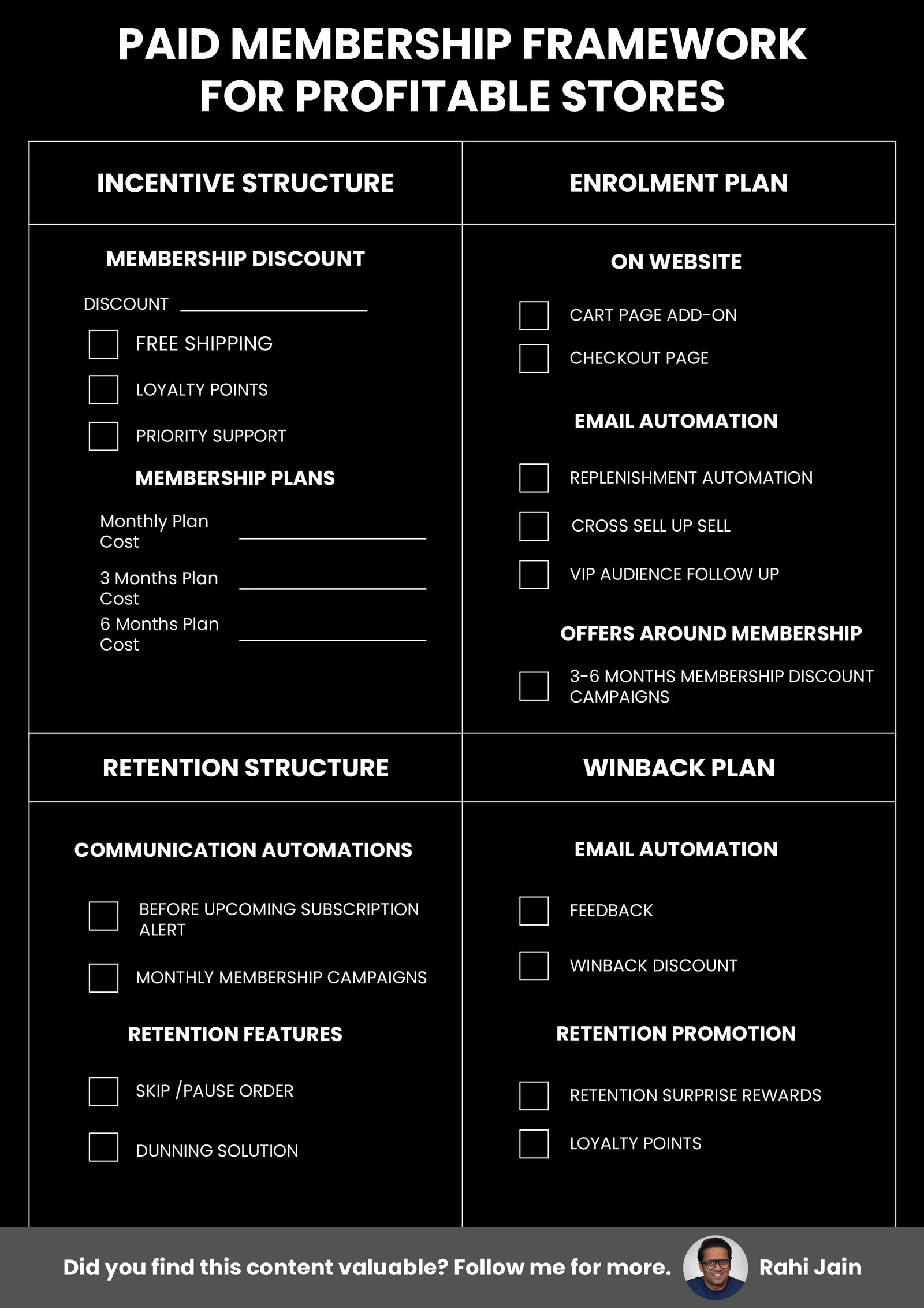
An access membership charges a recurring fee. In return, members get better prices and perks on your whole range. No product on a schedule. They pay for the right to shop cheaper. Simpler than a loyalty program, and easier than a product subscription.
Costco renews 93% of its memberships. In fiscal 2021 it sold $192 billion of merchandise at about an 11% gross margin, brought in $3.9 billion in membership fees, and made $5.2 billion in total profit. So most of the profit is the fee.
No flash sales. No winback coupons. The $1.50 hot dog, cheaper gas, and a return policy that takes anything. Every visit, the member feels like they won. So the $65 renewal feels like a bargain.
DTC brands running it
- Jenni Kayne: $150 a year for 20% off every furniture and home decor purchase. 70% of furniture purchases are made by members.
- Outdoor Vitals: $10 a month for 10% off year-round, free priority shipping, limited edition gear and a $10 store credit that never expires.
- Liquid I.V.: $5 every three months for 20% off orders and member perks. Half the membership base had already made a second purchase, and a third of members were first-time customers on its site.
- Fresh Chile: shipping was the top complaint, so it launched a $199 annual membership. Six orders a year cost a customer about $150 in shipping alone, so the price was set against that, with 20% off and exclusive drops on top.
The perks are simple. A member discount, free shipping, priority support, sometimes extra points. Amazon started its paid membership on free shipping. Then the exclusive layer: early access to drops and member-only products. Plans run monthly, 3 months and 6 months. Monthly is the entry point. The 6-month plan saves members the most and pays you the most upfront.

And send a reminder a few days before each renewal. A fee nobody remembers paying turns into a chargeback.
A membership also catches shoppers who are not quite willing to commit to a product subscription. So it suits large catalogs. Nobody there wants the same item every month.
Savage X Fenty: what to copy and what not to
Rihanna's Savage X Fenty runs a paid monthly membership, and most of its revenue comes from members. The full breakdown is in how the Savage X Fenty membership works. The perks are real, and worth copying. Value on day one: a big first purchase discount, store credit from the fee, free shipping, an extended refund window. And then gifts that keep coming, like a birthday gift and a free item after every 5th billing.

The rest is a warning. The membership gets auto-added to the cart at checkout, $0 for the first month and $59.95 the next. Members get charged on the 6th unless they skip between the 1st and the 5th. No reminder. Miss day 5 and you're charged on day 6. California sued. Savage X Fenty settled for $1.2 million, and on our scorecard it lands at 27/80.
And nobody buys new lingerie every 30 days. The credit system knows it. The billing ignores it. Copy the stacked perks. Skip the rest. If you are weighing a membership against points, subscription vs loyalty program covers that choice.
Why most $1-10M consumable brands are replenishment
If you sell supplements, coffee, skincare, pet food or anything else that runs out, start with replenishment. It fits how your customer already buys.
Curation needs a new product every month, and with a small catalog you run out of things to put in the box, while the subscriber still expects a surprise each time it lands. Membership needs a catalog big enough that the fee pays off across many purchases. And someone has to keep checking the perks still match what members want.
Replenishment needs neither. You already have the product. The reorder already happens, and the subscription just removes that step, so your effort goes into the offer.
There is one case for membership in a smaller store. Loyalty points, tiers, points to dollars. Too many variables. It's tough to design and even tougher to promote. For an under 8-figure store with a wide range, a simple paid membership works better.
Mixing models without confusing the buyer
Subscription and membership are not the same thing, but they can sit together. There is room for special subscription pricing for members.
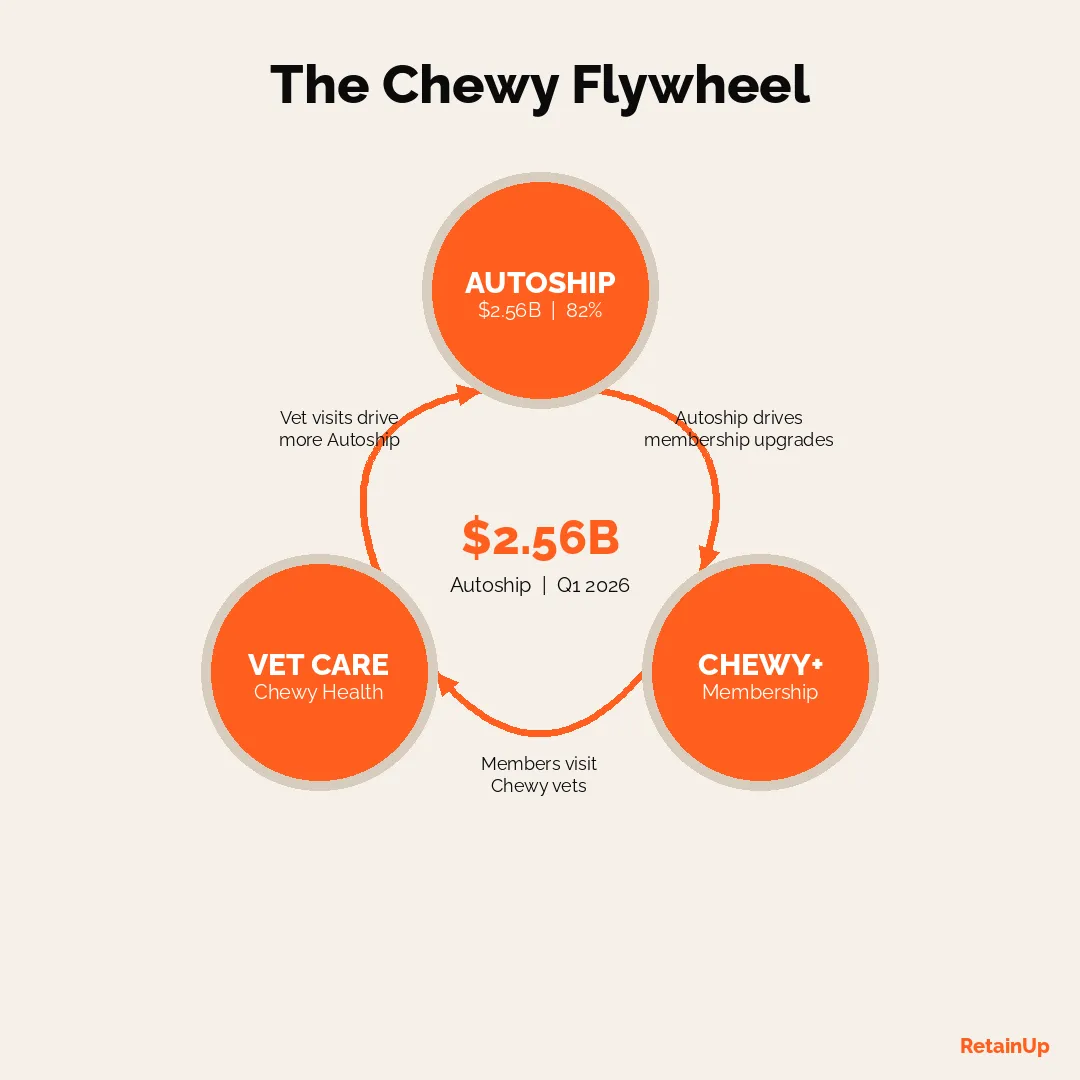
Chewy does this best. Each part feeds the next. Autoship builds the habit. Chewy+ at $79 a year adds free shipping with no minimum and exclusive pricing on top of the Autoship savings the member already gets, and Vet Care pulls new customers into the loop. A vet visit drives Autoship, Autoship drives Chewy+, Chewy+ drives more vet visits. In Q1 2026 Chewy sold $2.56 billion, 82% of it recurring.
Each layer has one job. And the buyer meets them one at a time. Three rules if you add a second model:
- Lead with one. The product page sells the subscription. The membership shows up later, in the cart or after the order.
- Let them stack cleanly. A member who also subscribes should see both savings add up, never a choice between them.
- Use one program name everywhere, on the page, in the nav, in email. Two names and buyers think you run two programs.
Box-style add-ons fit inside replenishment too. A build-a-box gives some of the variety of curation. No curation business needed. More in subscription bundles and build-a-box.
How to pick your model
Go down the list. Stop at the first yes.
| Question | If yes |
|---|---|
| Does the customer use the product up in 3 months or less? | Replenishment |
| Can you send something new and personal every month? | Curation |
| Do customers buy across a large catalog every few months? | Access membership |
| Is shipping your top complaint? | A membership that removes it, like Fresh Chile |
Model set? Then the offer: discount, frequency, prepaid plans, perks and gifts, in that order. The subscription offer engineering guide walks those rules, and they apply to any model.
Picking the model is the first call. Then someone has to build it in your app, and that is what the Subscription LTV Maximizer™ does: the offer, the PDP widget, the cancel flow, the customer portal, payment recovery and pause and skip in Recharge, Skio, Stay AI or Loop, plus the email and SMS, live in 30 days for $5,000. If you already run one and want to see where it leaks, the free subscription audit checks 48 points and sends your top 3 leaks in 24 hours.
FAQ
What are the main types of subscription models?
The three main subscription models are replenishment, curation and access membership. Replenishment, also called subscribe and save or autoship, ships the same product on a schedule. Curation sends a box of products picked for the customer. And an access membership charges a recurring fee for better prices and perks across the whole range, the way Costco and Chewy+ work.
What is subscribe and save?
Subscribe and save is a replenishment subscription: the customer gets a product they reorder delivered on a set schedule, usually at a discount. Amazon calls it Subscribe & Save, and brands also call it autoship. It fits supplements, coffee, pet food and anything that runs out within 3 months. The customer saves money and never runs out, and the brand gets orders it can plan for.
What is the difference between a subscription and a membership?
A subscription ships a product on a schedule, while a membership charges a fee for the right to buy at better prices. With a subscription the customer commits to the product. With a membership they commit to the brand, and buy whatever they want. The two can sit together, like Chewy Autoship and Chewy+, as long as the savings stack.
Why do subscription boxes have high churn?
Subscription boxes churn more because the customer is paying for a surprise, and surprises miss. One box with products they do not like and they question the next charge. Curation also carries a lot of operational work and a lot of competition. Skip, swap and a feedback survey after each box help, but the model starts from a harder place.
Is a paid membership worth it for a small DTC brand?
A paid membership can work for a small brand with a wide catalog, and it is easier to launch than a points program. Price it against a pain the customer already feels. Fresh Chile set its $199 fee against about $150 a year in shipping. Give value on day one, and never auto-add the membership at checkout.
One email a week on subscription retention: the numbers, the strategy, and what to fix first.

Rahi Jain
Rahi Jain is a subscription LTV specialist who helps $1M to $10M DTC brands reduce subscription churn and maximize LTV on Recharge, Skio, Stay AI and Loop.
More about Rahi