
Key takeaways
- Onboarding flows cut month one churn by up to 25% because customers see the value, the frequency and the control they have.
- Milestone gifting lifted second order completion 2.3x for a beauty brand, and skip options extend subscriber lifetime by 125%.
- Failed cards cause 5 to 10% of churn, and recovered subscribers stay active 7 months longer on average.
Most subscribers do not leave in a rage. They drift out because nobody gave them a reason to stay at the moment it mattered.
These are the seven automations we set up for subscription brands, in the order a subscriber meets them. Each one covers a different way people leave.
1. Subscription onboarding
Most churn happens before the second order. The customer never builds a habit, and if they don’t see the value up front, they cancel.
The goal is to build that habit and show what the subscription gives them. The KPI is second month retention, or the 60-day repeat purchase rate.
This is the same idea behind engineering a habit around your product. The flow is three emails:
- A welcome email that introduces the subscription benefits, with a short founder video on how it works.
- A renewal roadmap email that shows when the next order ships, how to change frequency, and why staying on the plan matters.
- A VIP perks email with rewards, bonus points or early access.
Brands running a flow like this cut month one churn by up to 25%. Customers understand the value, the frequency and the control they have.
2. Upcoming order reminders
Silent churn starts with a surprise charge. A sudden $50 bill tomorrow makes people cancel out of frustration.
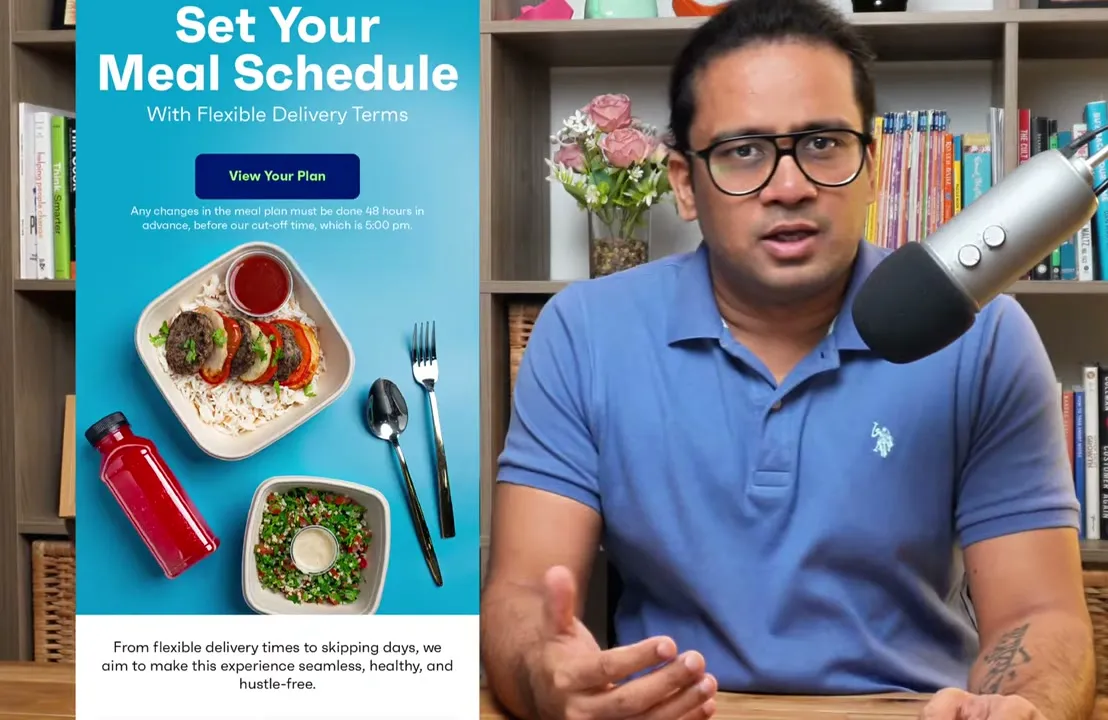
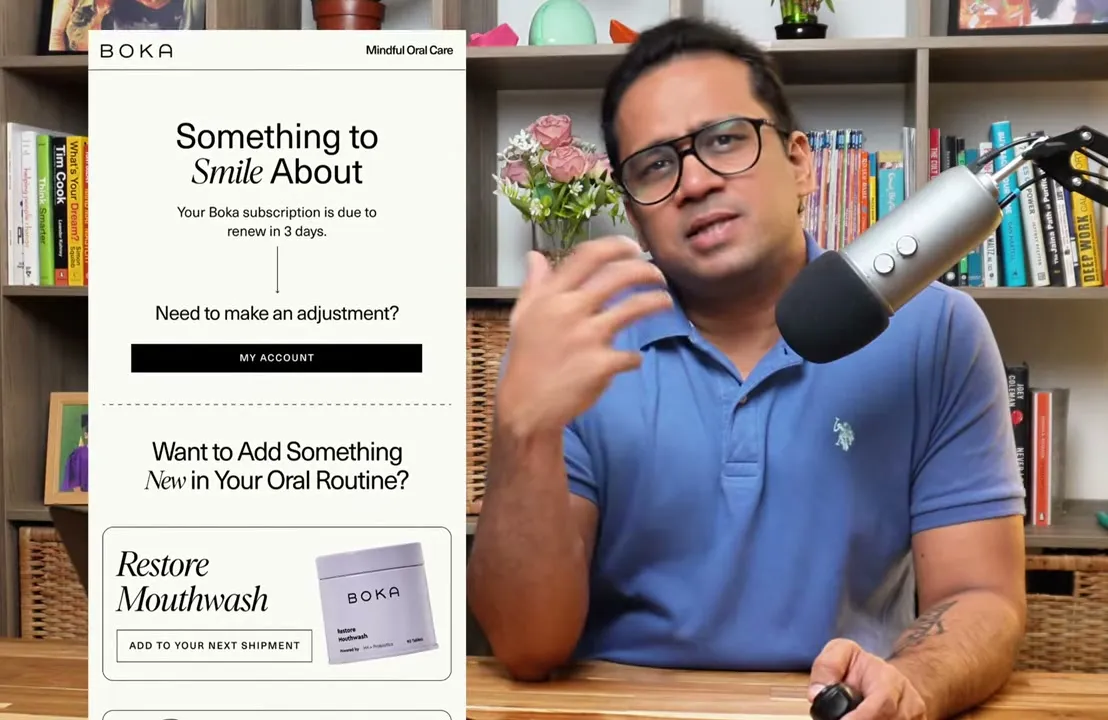
Send an email or SMS 3 to 5 days before renewal. It builds trust, and it gives them room to adjust the plan.
It is also a good moment for one-click upsells and product recommendations. You can pitch another product or bundle for the next shipment.
Reframe the reminder as progress
Tell them they are one order away from a free gift. Personalize it by renewal number, first, second or fifth, and offer skip, swap, pause or continue.
The mindset moves from another payment to I’m getting rewarded. A fitness brand used this and cut churn by 23%.
Offering skip, pause and swap options extends subscriber lifetime by 125%. I covered why the order matters in the subscription flexibility ladder.
3. Gifting and milestone incentives
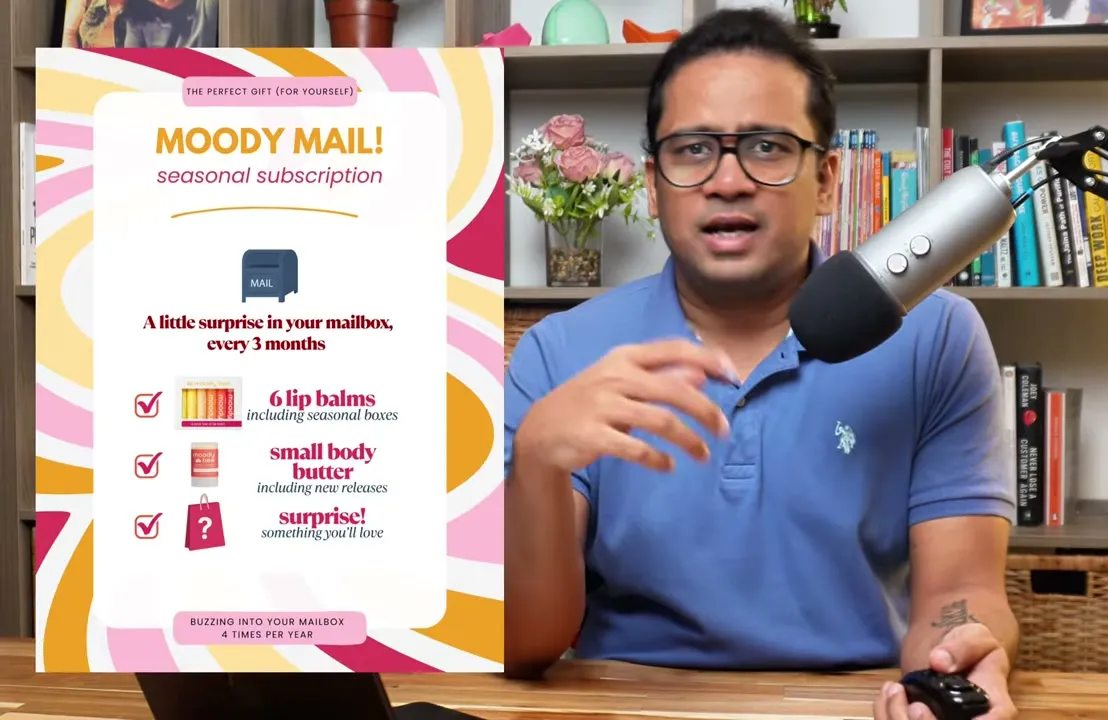
Use gifts and surprise at the moments people tend to leave. If most cancel after month one, put the incentive on order 2. If most cancel after month three, put it on order 4.
Be public about it. Show customers how far they are from the gift, like a progress chart. Put it in the subscription perks on your site, in the reminder before that order, and in a confirmation after renewal.
Highlight the earned gift in the reminder email and SMS. You can add a surprise on top, but promote the gift hard.
We used this exact milestone play and saw 2.3x more second order completions for a beauty brand. Reciprocity bias is why: people who get unexpected value stay longer. More on the order 2 free gift test.
4. Pause and swap nurture
Most subscribers pause before they cancel. That pause is your window.
The goal is to fix their frequency or address their concern before they leave. If you offer product swaps, find out whether they want a different product or bundle.
- First pause: confirm that the subscription is paused. No pressure. Keep it light.
- Second pause: show them how to move from every 4 weeks to every 8 weeks, or swap products instead of stopping.
- Third touch: re-engage with education, testimonials or a new offer.
Brands running layered pause and swap flows reactivate up to 18% more subscribers. Skip extends lifetime by up to 125% and swap adds 71%. Most brands set pause and skip up backwards, so check yours.
5. Cancel confirmation
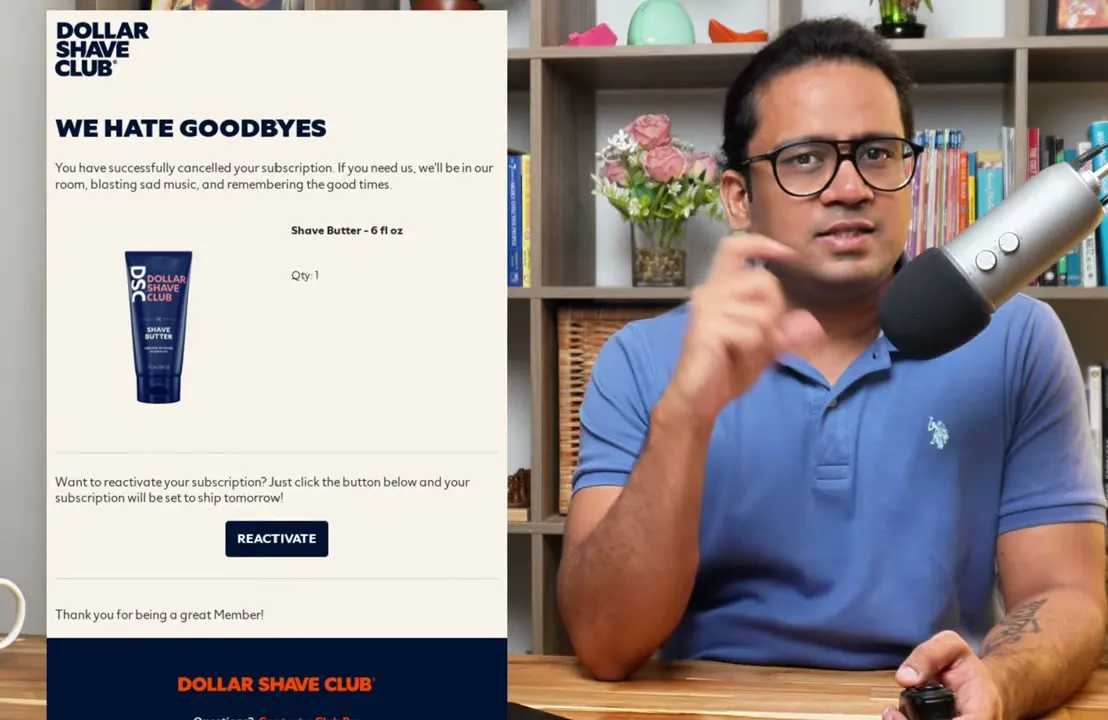
Some cancellations will happen. This flow tries to bring the subscriber back, or at least learn why they left.
It sometimes comes too late, but we have seen real results. It also sets up the next conversation, so the brand does not look like a sore loser.
When someone clicks cancel, capture the reason first. The website is best, but email works too. Then show an alternative that matches the answer:
- Too much product: offer a skip or a smaller size.
- Money: offer a temporary discount, or a pause.
- Not seeing results: send education and testimonials.
Personalized save paths like these deflect up to 32% of cancellations.
Always offer pause as the default alternative. Many subscribers do not know it exists, and many take it when it is shown clearly.
6. Payment recovery
5 to 10% of churn is involuntary: failed cards, expired payments, declines. Most brands ignore it.
Send a failed payment email with a one-click update button, and back it up with an SMS. Retry the payment automatically on day 1, day 3 and day 7.
Go past the plain reminder. Offer a pause, restate the benefits of staying, and add some social proof.
Recovered subscribers stay active 7 months longer on average. It is one of the fastest ways to save money you did not know you were losing.
7. Post-cancel winbacks
A cancellation does not mean the person is gone for good. FOMO and exclusivity can bring them back.
We usually start 30 days after cancellation and run up to 90 days. Several messages beat one.
- A “we miss you” email that restates the benefits of the subscription.
- Smaller packs or prepaid bundles, with deals for longer commitments.
- New product drops and testimonials.
- A limited-time offer to create scarcity.
Winbacks like this reactivate 12 to 18% of churned subscribers. They give you another shot at people who already trusted the brand.

We have used these seven across 80+ brands. They helped Boka and FreshCap cut churn by up to 60% and keep subscribers 3x longer.
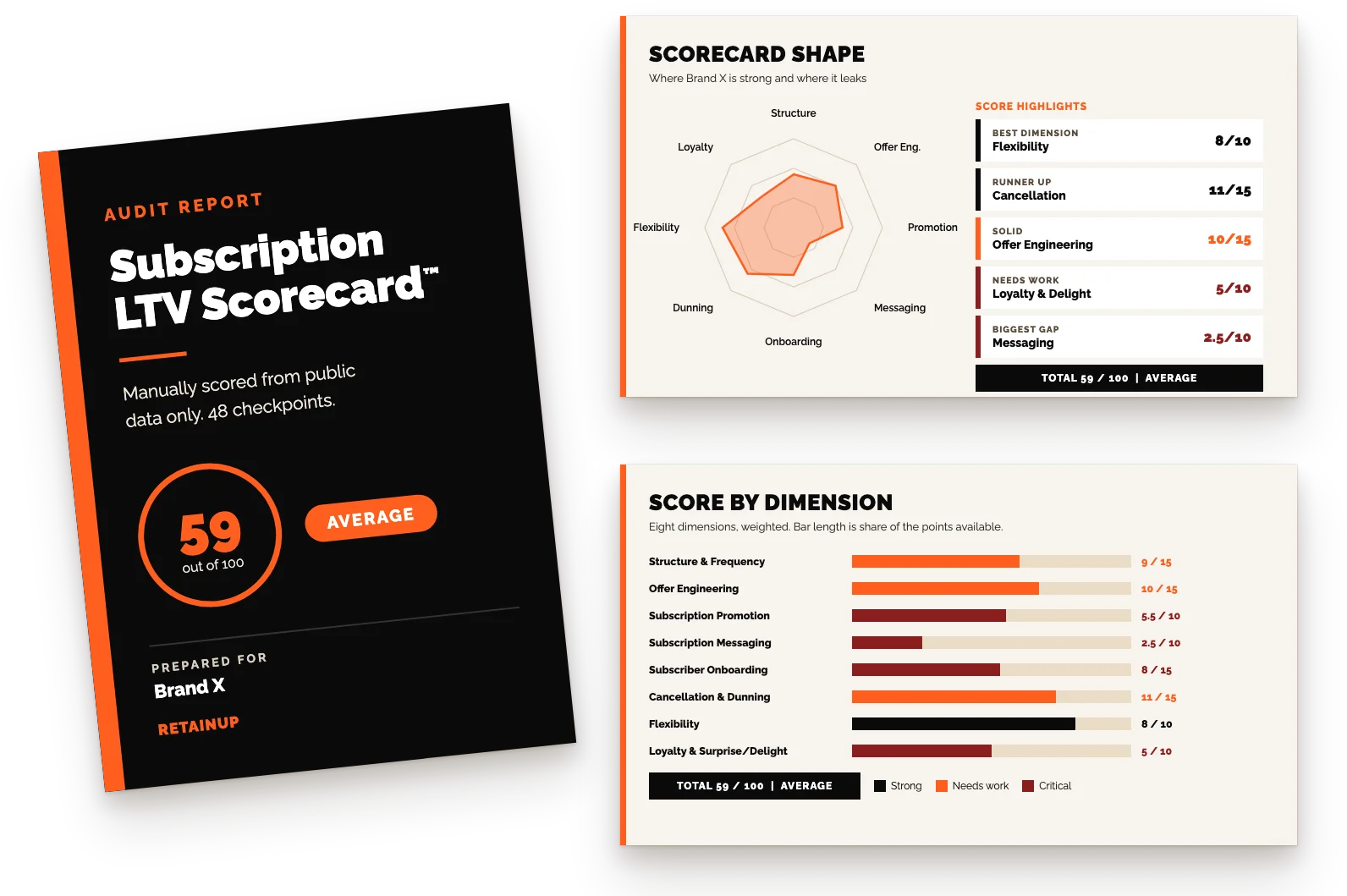
Want to know which of these your own program is missing? Get a free subscription audit.